
Email: [email protected]
 English
 русский
 Deutsch
 Español
Author: Admin
Date: Feb 06, 2026
Understanding the Function of the Mold Pressing Strip
Defining the Component in Manufacturing Systems
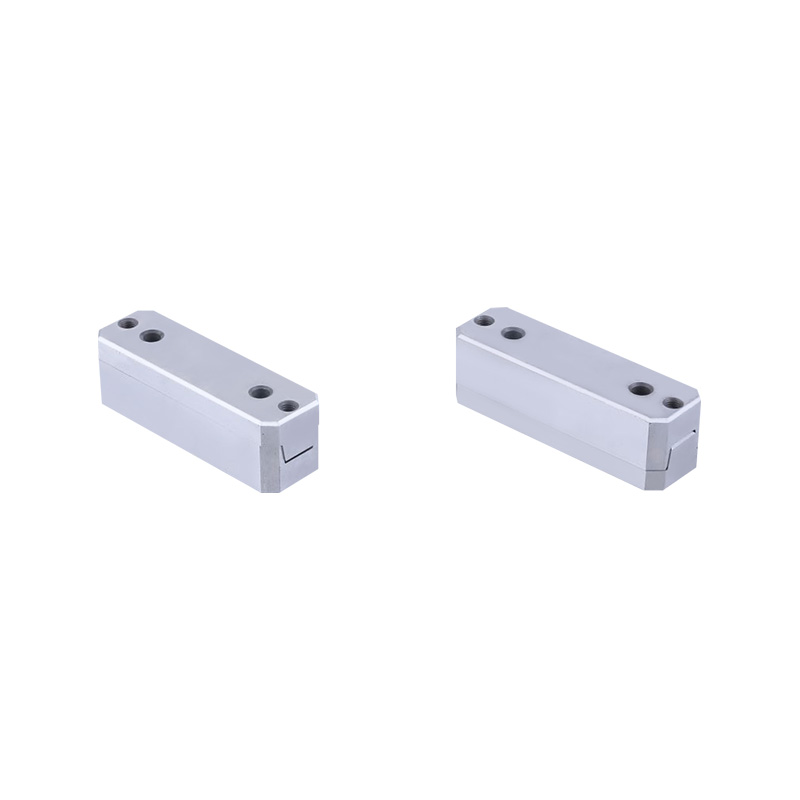
A mold pressing strip is a specialized, elongated component used within various molding and pressing systems to apply localized force, create a seal, or protect sensitive tooling surfaces. It is not a standalone product but a critical consumable or wear part integrated into the broader apparatus. Typically made from materials like polyurethane, silicone, rubber, or specialized composite fabrics, the strip's formulation determines its resilience to pressure, temperature, and chemical exposure. In operations ranging from laminate panel production to composite molding, the mold pressing strip functions as the interface between the rigid press platen and the mold or material edge, ensuring pressure is evenly distributed and contained within the desired area. Its correct selection and maintenance are vital for process consistency and product quality.
Key Applications in Composite and Panel Lamination
The role of the mold pressing strip is particularly prominent in industries manufacturing flat or shaped composite panels. In a membrane or vacuum press system for laminating surfaces, the strip is applied to the perimeter of the mold or substrate. When the pressurizing membrane descends, the mold pressing strip compresses to form a critical seal, preventing air or resin from escaping the pressing zone and ensuring uniform pressure distribution across the entire laminate surface. Similarly, in hot pressing of decorative laminates or wood-based panels, these strips protect the edges of the heated platens from damage and help contain the flow of adhesive or resin. The strip's ability to withstand continuous cycles of heat and pressure directly impacts production uptime and the rejection rate of finished panels due to edge defects or inconsistent curing.
Material Science and Performance Characteristics
The performance of a mold pressing strip is dictated by its material properties. For high-temperature applications, such as those involving phenolic resins or thermoset composites, strips made from high-temperature silicones or specialized elastomers are necessary to maintain elasticity and sealing integrity without degrading. For room-temperature vacuum bagging in aerospace composites, softer polyurethane strips might be used to conform tightly to complex mold geometries. Key performance parameters include compression set resistance (the ability to return to original shape), thermal stability, hardness (durometer), and tear strength. A manufacturing facility must match these properties precisely to the specific process parameters of temperature, pressure medium, and cycle time to ensure the mold pressing strip performs reliably and does not become a source of contamination or failure.
Integration, Maintenance, and Process Optimization
Within a production cell, the mold pressing strip is integrated into a repeatable setup procedure. Operators must install it correctly, ensuring it is free of nicks, debris, or permanent deformation from previous cycles that could compromise the seal. Routine maintenance involves regular inspection for wear, cracking, or compression set, and scheduled replacement before failure occurs. Process engineers often experiment with different strip profiles—such as round, square, or D-shaped cross-sections—and hardness levels to optimize the pressure profile on a given part. The goal is to achieve a seal with minimal wasted material and maximal strip longevity. Therefore, the mold pressing strip, while seemingly simple, is a variable subject to continuous refinement for process efficiency and cost control.
Impact on Production Quality and Operational Cost
The consistent performance of the mold pressing strip has a direct and measurable impact on both product quality and operational expenses. A failing or inappropriate strip can cause pressurization failures, resulting in delaminated panels, porous composites, or parts with inconsistent thickness—all primary reasons for scrap. Unplanned downtime to replace a failed strip during a production run carries a high cost in lost output. Consequently, procuring high-quality strips from specialized suppliers and implementing a disciplined preventative maintenance schedule for their replacement is a strategic operational decision. By managing this consumable proactively, factories enhance Overall Equipment Effectiveness (OEE), reduce waste, and ensure the consistent production of high-integrity molded and laminated products, underscoring the mold pressing strip's role as a small but vital component in a complex manufacturing value chain.

CONTACT
Get in touch
Related recommendations
Zhanmeng Mould Parts Co, Ltd. is a professional manufacturer specializing in the production, sales, and design of precision mold parts.
Contact Information
Cell phone: +86-13018824444 /
+86-18658685895
Cell phone: Machine Tools Ms. Shi:+86-13968153627
Landline: +86-576-84335476
Fax: +86-576-84330857
Email: [email protected]
Add: 23 Qingfeng Avenue, Beicheng Development Zone, Huangyan District, Taizhou, Zhejiang, China.
Mobile Site
Copyright © Zhanmeng Mould Parts Co., Ltd. Rights Reserved.
Mold Accessories Manufacturer
