
Email: [email protected]
 English
 русский
 Deutsch
 Español
Author: Admin
Date: Jul 31, 2026
How Do Mold Alignment Pins Improve Injection Molding Precision
Injection molding tends to rely fairly heavily on accurate coordination between different mold components. During production, two mold halves generally need to meet at roughly the correct position so the cavity and core can create the intended shape. Even a small deviation in positioning may end up influencing part dimensions, surface quality, and the stability of repeated molding operations.
A mold tends to be more than just a container for shaping plastic material. It's more like a carefully assembled system where plates, inserts, cavities, cores, and positioning components work together fairly closely. Among those components, Mold Alignment Pins tend to help maintain the relative position between mold sections during closing and opening movements.
Proper alignment generally lets the mold operate with less unnecessary movement. When positioning stays reasonably stable, contact between different mold parts tends to become more controlled, which tends to help reduce uneven wear and adjustment requirements during production.
As injection molding applications continue to involve more detailed part structures and tighter assembly requirements, mold positioning tends to receive increasing attention during design and maintenance. Alignment components are therefore often considered during the early stages of mold planning rather than added only after problems show up.
Why Is Mold Alignment Accuracy Important in Injection Molding?
Injection molding tends to depend fairly heavily on a reasonably precise relationship between the mold cavity and core. When both sections meet correctly, molten material can fill the designed space according to the intended structure. When alignment shifts, the final result may end up affected in a few different ways.
A slight shift between mold halves can influence part thickness, edge condition, or fitting accuracy. Although the change may seem fairly small during mold operation, repeated cycles can gradually increase wear on contact areas over time.
Alignment accuracy tends to matter because injection molds usually experience a lot of repeated movement. Every opening and closing action creates mechanical contact between different components. Without suitable positioning support, repeated movement may place additional stress on guide structures and mold surfaces.
A few aspects tend to be fairly closely connected with mold alignment:
- Part Consistency
Stable positioning tends to help maintain a fairly similar cavity condition during repeated molding cycles. - Component Protection
Accurate movement tends to reduce unnecessary contact between mold sections. - Maintenance Planning
Better alignment can help reduce frequent adjustments caused by position changes. - Production Organization
A stable mold structure tends to let operators focus more on normal process control rather than repeated correction.
Mold design tends to involve balancing quite a few elements, and alignment is one of the factors that tends to connect them together. A cavity generally can't perform well entirely on its own, separate from the surrounding structure. Its position tends to depend on how accurately different mold components work together as a system.
How Do Mold Alignment Pins Work During Mold Closing?
During mold closing, two halves move toward each other until they reach the forming position. This closing movement generally needs some guidance, since the cavity and core need to match up correctly before injection begins.
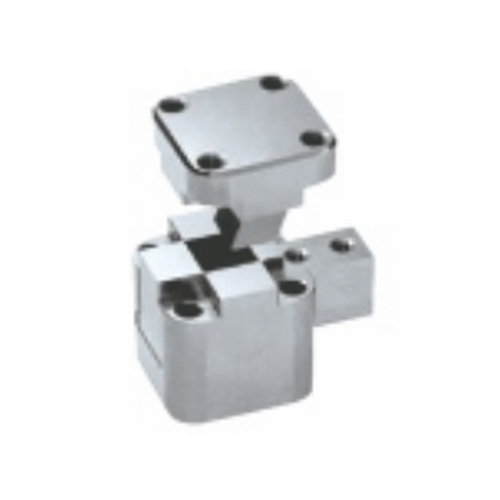
Mold Alignment Pins tend to provide positioning support by guiding the connection between mold sections. Their structure generally lets one mold side enter the matching area of another side, helping maintain the intended relationship between components.
The working process can generally be described through a few stages:
- The moving mold section approaches the fixed section
- Alignment components begin guiding the relative position
- Mold plates move into the correct closing position
- Cavity and core surfaces meet according to the designed arrangement
During repeated cycles, the pins tend to help reduce unwanted lateral movement. Without proper alignment support, closing force may not distribute all that evenly across the mold structure, which can influence wear patterns over time.
The effectiveness of an alignment system tends to depend on several factors, including installation accuracy, component condition, and compatibility with the mold design.
Alignment pins usually tend to work together with other guiding elements rather than operating entirely on their own. Each component generally has a somewhat different role within the mold structure. Some parts control movement direction, while others focus more on maintaining accurate positioning between specific sections.
Because molds differ quite a bit in size, shape, and application, alignment solutions generally need to match the actual design fairly closely. A positioning component suitable for one mold structure may require some adjustment when used in a different configuration.
What Problems Can Occur Without Proper Mold Alignment?
Poor alignment can gradually create problems during molding operations. Some issues tend to appear fairly quickly, while others develop only after repeated production cycles.
One common concern involves uneven contact between mold sections. When two halves don't meet quite correctly, certain areas may receive additional pressure while other areas stay less supported. Over time, uneven contact tends to influence surface condition and component wear.
Another possible issue involves part dimensions. A cavity and core that are slightly displaced may change the final shape of molded parts somewhat. Such changes can affect assembly performance, particularly when the finished components need to connect with other parts.
Without proper alignment, manufacturers may run into:
| Potential Issue | Possible Influence |
|---|---|
| Mold offset | Changes in cavity and core positioning |
| Uneven wear | Increased maintenance attention |
| Part variation | Differences in molded dimensions |
| Adjustment needs | More frequent process checks |
Mechanical stress is another factor worth mentioning. When mold components move against each other in a somewhat incorrect position, contact areas may experience additional friction. Repeated friction can shorten the usable condition of certain mold parts and increase maintenance requirements over time.
Production interruptions may also occur when alignment problems become noticeable enough. Operators may need to inspect the mold, adjust positioning, or replace worn components before normal operation can continue.
For that reason, alignment probably isn't just a concern during mold assembly. Regular inspection throughout the mold life cycle tends to help identify changes before they develop into larger problems.
How Do Mold Alignment Pins Improve Injection Molding Precision?
The main role of Mold Alignment Pins tends to center on maintaining accurate positioning between mold sections. By supporting controlled movement during closing, they tend to help the cavity and core return to roughly the intended location during repeated operations.
Precision improvement tends to come from a few different aspects.
- Maintaining Position Stability
During molding cycles, movement between mold sections generally needs to stay fairly controlled. Alignment pins tend to help guide the closing process and reduce unwanted shifting that may occur from repeated mechanical movement. - Supporting Cavity and Core Matching
The cavity and core form the shape of the final product together. Their relationship generally needs to stay reasonably consistent throughout production. Alignment support tends to help both sections meet in the correct position, letting the mold structure work according to its design. - Reducing Unnecessary Wear
When mold sections close fairly accurately, contact between unrelated surfaces tends to get reduced. Lower unnecessary movement tends to help protect mold components and supports more predictable maintenance schedules. - Improving Repeatability
Injection molding often involves repeated cycles using the same mold. Stable positioning tends to let each cycle begin from a fairly similar structural condition, which supports more consistent production results.
Alignment components generally don't work in isolation from the rest of the mold system. Their performance tends to depend on machining accuracy, installation quality, and regular maintenance. A well-rounded approach to mold design tends to consider all these factors together.
As mold structures continue becoming more detailed, alignment solutions continue to play a fairly meaningful role in maintaining production stability. Proper positioning tends to create a stronger connection between mold design and final product requirements.
What Factors Should Be Considered When Selecting Mold Alignment Pins?
Selecting suitable positioning components generally requires looking at the entire mold structure rather than just the size of the part itself. Every mold tends to have its own working conditions, movement pattern, and maintenance requirements, so alignment components generally need to match the actual design fairly closely.
A suitable choice tends to help maintain more stable positioning during repeated mold operations. A few factors usually tend to influence the selection process.
Material Characteristics
Material selection tends to affect how an alignment component performs under repeated contact. During injection molding, pins experience fairly continuous movement and contact pressure, which means the material generally needs to hold up under long-term mechanical use.
Different mold environments may call for somewhat different material properties. Factors such as hardness, wear resistance, and surface condition are often considered during component selection.
Size Compatibility
The dimensions of alignment components generally need to match the mold structure fairly closely. A pin that doesn't fit correctly may not provide enough positioning support, while an unsuitable size can interfere with normal mold movement.
Designers usually tend to consider:
- Mold plate thickness
- Available installation space
- Required positioning accuracy
- Relationship with other guiding components
Size selection tends to be fairly closely connected with the overall mold layout. Alignment components generally don't function as fully independent parts; their position tends to affect how different mold sections connect with each other.
Installation Accuracy
Even a well-designed alignment pin tends to depend fairly heavily on correct installation. The position of the mounting hole, the relationship between mold plates, and machining accuracy all tend to influence final performance.
During mold manufacturing, installation positions generally need fairly careful control, since incorrect placement may reduce the effectiveness of the positioning system.
Operating Conditions
Different molding environments tend to create somewhat different demands. Mold usage frequency, production conditions, and maintenance schedules can affect how alignment components should probably be selected.
A mold used for simpler structures may have different requirements compared with a mold containing complex cavities and inserts. Considering actual working conditions tends to help avoid unnecessary adjustments later on.
How Are Mold Alignment Pins Installed and Maintained?
Installation quality tends to influence fairly directly how well alignment components perform during mold operation. Even small errors during installation may end up affecting the relationship between mold sections.
Before installation, manufacturers usually check the mold structure and confirm that mounting areas meet the required conditions. Proper hole positioning and surface preparation tend to help create a more stable connection between the pin and mold plate.
The installation process generally involves:
- Checking the mounting position
- Confirming hole accuracy
- Installing the alignment component carefully
- Testing mold movement after assembly
- Making adjustments when necessary
After installation, regular inspection tends to help maintain stable operation over time. Since molds experience repeated movement, alignment components may gradually show some signs of wear.
Maintenance attention often tends to include:
- Surface Inspection
Checking the surface condition tends to help identify wear, scratches, or damage that may influence movement accuracy. - Cleaning
Dust, residue, or small particles around moving areas can affect smooth operation. Keeping contact areas clean tends to support more stable movement. - Lubrication
Appropriate lubrication can help reduce friction between moving components. The lubrication method generally depends on mold structure and operating requirements. - Wear Monitoring
Regular checks tend to let manufacturers identify changes before they start affecting molding performance. Replacing worn components at a reasonable time can help protect other mold parts.
Maintenance probably shouldn't focus only on the alignment pin itself. Surrounding areas, including mounting holes and related guiding components, also tend to influence positioning accuracy. A fairly complete inspection tends to give a clearer view of the mold's overall condition.
What Is the Difference Between Mold Alignment Pins and Guide Pins?
Although alignment pins and guide pins are both related to mold positioning, their functions tend to be somewhat different rather than interchangeable. Confusion between the two often comes from their fairly similar appearance and shared role in supporting mold movement.
Guide pins generally focus on guiding the movement of mold halves during opening and closing. They tend to help control the direction of movement and keep components moving along the intended path.
Mold Alignment Pins tend to focus more specifically on maintaining accurate positioning between mold sections. They generally help ensure that corresponding areas meet correctly when the mold closes.
The difference can be seen below:
| Comparison Area | Mold Alignment Pins | Guide Pins |
|---|---|---|
| Main function | Maintain accurate mold positioning | Guide mold movement direction |
| Main focus | Alignment between mold sections | Smooth opening and closing |
| Working role | Position control | Movement guidance |
| Application purpose | Reduce position deviation | Support mold travel |
In many mold systems, both types of components tend to work together fairly closely. Guide elements tend to help control movement, while alignment elements tend to help maintain the final position after closing.
Choosing the right component generally depends on the actual requirement at hand. A mold may need stronger attention on movement control, positioning accuracy, or both aspects at once.
Understanding this difference tends to help designers create a more suitable mold structure. Using a component just because it looks similar to another may not achieve the intended function.
How Do Mold Alignment Pins Support Different Injection Molding Applications?
Injection molding covers a fairly wide range of product structures, from simple shapes to parts with more complex internal features. Different mold designs tend to create somewhat different alignment requirements, which tends to make positioning components an important consideration during mold development.
For molds with multiple inserts or detailed cavity structures, accurate positioning tends to become more important, since several parts need to work together fairly closely. Small changes in alignment may influence how inserts connect with the main mold structure.
In simpler molds, alignment components still tend to provide value by maintaining stable closing movement and helping protect contact surfaces during repeated operation.
A few common application considerations:
- Complex Mold Structures
Molds with multiple sections tend to require fairly careful positioning, since several components need to meet at the correct location. Alignment support tends to help maintain the relationship between different mold elements. - Precision Components
Parts requiring close dimensional control often tend to depend on stable mold positioning. Accurate alignment tends to help reduce unwanted movement between cavity and core sections. - Long Production Cycles
When molds operate repeatedly over time, wear tends to become an important factor. Proper alignment support can help reduce unnecessary stress caused by repeated position changes. - Different Mold Sizes
Large and small molds may call for somewhat different alignment approaches. The selection of components generally depends on available space, mold design, and operating conditions.
A well-designed positioning system tends to connect different parts of the mold into a fairly coordinated structure. Alignment components are one part of that system, working alongside plates, inserts, and guiding elements.
As injection molding technology continues to develop, mold accuracy tends to remain fairly closely connected with component design and maintenance practices. Careful selection and proper use of Mold Alignment Pins can support more stable positioning throughout the mold's working life.
The relationship between mold structure and alignment probably isn't something that comes down to just one component. It tends to involve design accuracy, installation methods, operating conditions, and maintenance planning all working together. When these elements stay reasonably coordinated, the mold tends to maintain a more consistent working condition during repeated production.

CONTACT
Get in touch
Related recommendations
Zhanmeng Mould Parts Co, Ltd. is a professional manufacturer specializing in the production, sales, and design of precision mold parts.
Contact Information
Cell phone: +86-13018824444 /
+86-18658685895
Cell phone: Machine Tools Ms. Shi:+86-13968153627
Landline: +86-576-84335476
Fax: +86-576-84330857
Email: [email protected]
Add: 23 Qingfeng Avenue, Beicheng Development Zone, Huangyan District, Taizhou, Zhejiang, China.
Mobile Site
Copyright © Zhanmeng Mould Parts Co., Ltd. Rights Reserved.
Mold Accessories Manufacturer
