
Email: [email protected]
 English
 русский
 Deutsch
 Español
Author: Admin
Date: Aug 07, 2026
What Causes Mold Misalignment and How Can Mold Alignment Pins Help
Mold alignment carries real weight in manufacturing processes built around repeated closing and opening movements. A mold system needs accurate positioning between its different sections so every production cycle can hold onto a consistent structure cycle after cycle. When alignment drifts over time, problems tend to show up gradually, working their way into both product quality and mold condition before anyone necessarily notices right away.
Mold misalignment rarely traces back to just one cause. Installation methods, operating conditions, component wear, and maintenance practices all play into positioning accuracy in their own way. Small shifts in how mold parts relate to each other can become considerably more noticeable once continuous production really gets going.
A few common causes tend to show up behind mold alignment changes:
- Incorrect installation during mold setup
- Uneven contact between mold components
- Wear caused by repeated movement
- Loose connection areas
- Insufficient inspection during maintenance
Installation quality ties directly into mold positioning from the start. During assembly, different mold sections need to match up correctly with each other. Improper adjustment or uneven fastening can leave small gaps between parts, and those gaps have a way of influencing product formation down the line.
Repeated mechanical movement plays into alignment too. Molds go through pressure, vibration, and constant movement during production, and over time, contact areas can shift because of friction or surface wear, opening up positioning differences between sections that weren't there originally.
Maintenance conditions deserve equal weight here. Without regular inspection, early signs of wear can go unnoticed right up until product problems actually surface. Checking positioning areas, contact surfaces, and connection points helps catch possible alignment changes before they ever touch production.
How Do Installation Conditions Affect Mold Alignment
Mold installation is really the stage that shapes stability for everything that follows in production. Even a well‑designed mold structure can run into trouble if the setup procedure itself goes wrong somewhere along the way, affecting how different sections connect once operation begins.
A handful of installation factors tend to shape alignment:
- Positioning accuracy during assembly
- Contact condition between mold plates
- Tightness of connecting parts
- Cleanliness of installation surfaces
Foreign particles or uneven surfaces can keep mold sections from closing into the position they're meant to reach. Even small obstacles between contact areas can create pressure differences, and those differences tend to work their way into alignment gradually rather than all at once.
Assembly preparation plays into mold performance as well. Checking component condition and confirming correct installation positions before production begins tends to cut down on unnecessary adjustments once operation is underway.
Manufacturing environments often ask molds to run repeatedly under conditions that shift over time. Proper installation gives later production activity a stable foundation to build on, helping maintain consistent interaction between mold sections cycle after cycle.
Alignment isn't only about the mold itself, either. Equipment condition, operating procedure, and maintenance arrangement all play into how accurately a mold actually closes during each cycle.
How Do Wear and Maintenance Issues Cause Position Changes
Wear is simply part of how mechanical operation works. Mold components go through repeated contact during opening and closing, and that contact can gradually reshape surface conditions and the positioning relationships between parts.
| Factor | Possible Influence | Management Focus |
|---|---|---|
| Contact surface wear | Changes the position between mold sections | Regular condition checks |
| Loose connections | Creates movement during operation | Fastening inspection |
| Repeated pressure | Affects component stability | Production monitoring |
| Surface damage | Influences closing accuracy | Maintenance planning |
Mold wear doesn't always create trouble right away. Small changes can pile up quietly until product appearance or dimensional consistency finally starts showing the effects. Early inspection is really what lets maintenance teams catch areas that need attention before that happens.
Maintenance work generally covers checking positioning parts, cleaning contact areas, and reviewing component condition. A planned maintenance approach cuts down on unexpected production interruptions and supports steadier mold operation overall.
Different molds wear differently depending on materials, production conditions, and usage frequency. That's really why maintenance methods need to match the actual working environment rather than follow one fixed schedule regardless of context.
What Problems Can Mold Misalignment Create During Production
Mold alignment problems can touch both production efficiency and product consistency at once. When mold sections don't meet correctly, a handful of issues tend to show up during manufacturing.
Increased Flash Formation
One common result of inaccurate mold closing is excess material appearing around product edges. Small gaps between mold sections can let material escape during forming rather than staying contained where it should.
That often means additional trimming or finishing work gets added to the process, stretching out the number of steps involved. Flash formation itself can also signal that mold positioning needs a closer look.
Product Dimension Variation
Mold position shapes the final geometry of manufactured parts pretty directly. When sections don't align properly, product dimensions can drift from what the design actually called for.
That kind of variation creates real difficulty during assembly or later processing steps. Consistent mold positioning is what keeps product shape stable across production cycles.
Faster Mold Wear
Misalignment can create uneven contact between mold components. Uneven pressure distribution tends to concentrate stress on certain areas, pushing surface changes along faster than they'd otherwise happen.
Over time, that kind of repeated uneven contact can wear down mold condition and demand extra maintenance work. Catching alignment issues early is really what protects mold components and keeps operation running more smoothly.
How Can Alignment Components Support Better Mold Closing Accuracy
Positioning structures inside molds help guide different sections into a consistent closing position cycle after cycle. Proper alignment lets mold parts connect with a clearer, more predictable relationship each time production runs.
Mold Alignment Pins serve as positioning components built specifically to support mold closing accuracy. Their role ties into guiding and maintaining the relative position between mold sections throughout operation.
Alignment components don't work in isolation, either — they work alongside other mold structures, and how well they perform depends on correct installation, suitable design matching, and proper maintenance conditions coming together.
A few factors shape how well alignment components actually perform:
- Compatibility with mold structure
- Condition of surrounding parts
- Installation accuracy
- Maintenance frequency
A positioning component on its own can't resolve every alignment issue that comes up. Mold design, equipment condition, and operating practice all play their part in overall accuracy alongside it.
For manufacturers, managing alignment really involves several steps working together. Selecting suitable positioning components, keeping proper installation methods in place, and monitoring mold condition consistently all combine to create a genuinely more stable production environment.
Which Factors Should Be Considered When Choosing Alignment Components
Choosing suitable alignment components really comes down to weighing mold structure, working conditions, and production requirements together. Different mold designs bring genuinely different positioning needs, so component selection should track closely with the actual application environment rather than following a generic checklist.
| Consideration | Reason for Attention | Production Influence |
|---|---|---|
| Material Condition | Matches operating environment and contact requirements | Relates to service stability |
| Size Compatibility | Fits the mold structure correctly | Supports accurate installation |
| Surface Condition | Affects movement and contact between parts | Influences positioning consistency |
| Maintenance Requirements | Determines inspection and replacement planning | Supports production management |
Material condition shapes how a positioning component holds up through repeated operation. Components running in different environments face different levels of pressure, friction, or surrounding influence, and that variation matters for how long they perform reliably.
Size compatibility deserves just as much attention. A suitable fit between alignment parts and mold structure helps maintain a stable relationship between sections. Get the sizing wrong, and you end up with unnecessary movement or reduced positioning accuracy creeping in.
Surface condition plays into this too, since contact areas shape how components interact during mold closing. Smooth movement paired with proper contact conditions helps keep pressure between mold sections from becoming uneven.
Maintenance requirements belong in the selection process from the start as well. Components that fit naturally into existing inspection and replacement routines tend to make mold management noticeably easier and cut down on friction during regular upkeep.
How Does Accurate Mold Alignment Influence Manufacturing Efficiency
Mold alignment ties closely into production stability. When mold sections close into a consistent position cycle after cycle, manufacturing processes run with fewer adjustments and fewer interruptions along the way.
Misalignment tends to generate extra work as production continues. Operators end up inspecting product defects, adjusting mold positions, or reviewing component condition more often than they'd like. Proper alignment management cuts down on those unnecessary correction steps considerably.
A few production areas tend to feel the effects of mold positioning directly:
- Product appearance consistency
- Processing adjustment frequency
- Mold maintenance requirements
- Production planning arrangements
Stable mold operation also makes better use of manufacturing resources overall. When mold conditions stay predictable, production teams can organize maintenance schedules and inspection procedures with a lot more confidence.
Alignment management isn't just about swapping out worn components when they fail, either. A genuinely complete approach covers installation checks, regular condition reviews, and ongoing monitoring of how things shift during operation.
Manufacturing processes keep demanding closer control over mold conditions as time goes on. As product structures grow more detailed, maintaining accurate positioning becomes a genuinely important piece of production management rather than an afterthought.
What Role Will Mold Alignment Management Play in Future Manufacturing
Manufacturing development keeps pushing attention toward precision control and process stability. Mold alignment management is becoming tightly woven into wider production planning, simply because mold condition touches product quality, maintenance work, and operating efficiency all at once.
Future mold management will likely lean into a few areas:
- Improved monitoring of mold conditions
- Better coordination between design and production
- More attention to maintenance planning
- Greater focus on component compatibility
Alignment problems tend to develop gradually rather than showing up all at once out of nowhere. Regular observation of mold conditions lets production teams catch possible changes earlier and arrange suitable maintenance actions before things escalate.
Component selection will keep tying into overall mold design going forward, too. Positioning parts need to work together with mold structure, operating conditions, and manufacturing requirements as a connected whole.
The role alignment components play stretches beyond simple positioning on its own. Parts selected thoughtfully support the relationship between different mold sections and contribute to production processes that genuinely run more smoothly.
How Can Manufacturers Reduce Mold Misalignment Risks
Reducing alignment risk really takes attention throughout the entire mold usage process, start to finish. Problems can begin at installation, surface during operation, or build up gradually through long‑term wear.
A few practical measures support better alignment management:
Checking Mold Installation Conditions
Before production gets underway, checking installation surfaces, connection areas, and positioning conditions helps establish a genuinely stable starting point.
Monitoring Component Wear
Regular inspection of positioning parts and contact areas helps catch changes that build up through repeated operation.
Maintaining Proper Operating Conditions
Production conditions shape mold movement and pressure distribution directly. Suitable operating practices help ease unnecessary stress on mold structures.
Recording Maintenance Information
Keeping records of mold inspections and repairs supports future maintenance decisions and helps flag issues that keep recurring.
Mold alignment really depends on cooperation between equipment, components, and production procedure working together. A single adjustment rarely solves every positioning problem on its own, which is exactly why continuous management matters here.
How Do Alignment Pins Support Long‑Term Mold Performance
Positioning accuracy shapes how mold sections interact throughout repeated production cycles. Alignment components guide the closing movement and help maintain the intended relationship between different sections as the mold cycles again and again.
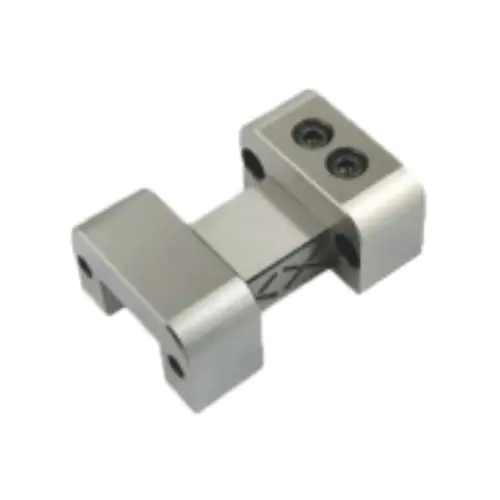
Mold Alignment Pins are part of this positioning system. Their function ties into maintaining alignment during mold operation and supporting closing conditions that stay consistent cycle after cycle.
Getting proper use out of them takes attention to installation quality, component condition, and the surrounding mold structure together. Wear, incorrect fitting, or unsuitable maintenance can chip away at positioning effectiveness gradually over time.
Mold management involves considerably more than picking a single component and calling it done. Design planning, production conditions, inspection methods, and maintenance schedules all play into alignment performance together.
As manufacturing processes keep developing, accurate mold positioning stays a genuinely important consideration throughout. Reliable alignment management helps build a more organized production environment and supports mold operation that stays stable over the long run.
Mold alignment management reflects where modern manufacturing is genuinely headed — toward stable processes and careful equipment control staying central to production planning, rather than sitting somewhere on the periphery.
How Does Proper Alignment Planning Support Mold Development
Mold development calls for weighing both current production needs and future maintenance conditions together. Alignment planning built into the design stage tends to ease difficulties that would otherwise surface during later operation.
Design teams generally review:
- Mold structure requirements
- Component compatibility
- Maintenance accessibility
- Expected operating conditions
Early planning helps forge a genuinely better connection between mold design and how it actually gets used in production. When positioning structures get real consideration during development, later adjustments tend to become a lot easier to manage down the road.
Alignment stays closely tied to the entire mold system throughout. Positioning components, structural design, and maintenance methods all work together, shaping production results in ways that ripple beyond any single piece.
A genuinely practical approach to mold alignment leans toward prevention over correction. Regular evaluation, suitable component selection, and careful maintenance together create far better conditions for manufacturing operations that need to keep running continuously.

CONTACT
Get in touch
Related recommendations
Zhanmeng Mould Parts Co, Ltd. is a professional manufacturer specializing in the production, sales, and design of precision mold parts.
Contact Information
Cell phone: +86-13018824444 /
+86-18658685895
Cell phone: Machine Tools Ms. Shi:+86-13968153627
Landline: +86-576-84335476
Fax: +86-576-84330857
Email: [email protected]
Add: 23 Qingfeng Avenue, Beicheng Development Zone, Huangyan District, Taizhou, Zhejiang, China.
Mobile Site
Copyright © Zhanmeng Mould Parts Co., Ltd. Rights Reserved.
Mold Accessories Manufacturer
