
Email: [email protected]
 English
 русский
 Deutsch
 Español
Author: Admin
Date: Aug 21, 2026
What Causes a Slider Mechanism in Injection Molding to Jam
A slider mechanism in injection molding has to move along a defined path while the mold opens, closes, and prepares for another molding cycle. Side features such as holes, grooves, hooks, or undercuts often require such movement because a straight mold opening cannot release them directly.
When a slider begins to move slowly, stops at one position, or needs unusual force to return, the problem can appear sudden even though the cause may have developed gradually. Friction can increase as lubrication changes, small particles can enter a sliding area, or repeated movement can alter the contact surfaces. A change made during mold installation or adjustment can also affect the movement path.
Recognizing the stage at which resistance appears can provide a useful starting point. A slider that becomes difficult to move during opening may have a different cause from one that stops during closing. A mechanism that moves freely by hand yet becomes tight during machine operation may also need inspection of the complete movement path rather than only the slider itself.
Common signs include:
- Uneven movement along part of the stroke
- Increased resistance during opening or closing
- A slider that does not return fully
- Scratches or unusual marks on contact surfaces
- Movement that becomes less smooth after repeated production
A jam should not be treated simply as a lubrication problem. Several conditions can occur at the same time, so checking the surrounding parts often gives a clearer picture.
How Does Poor Lubrication Increase Slider Resistance
Sliding surfaces work through repeated contact, and suitable lubrication helps reduce direct friction between moving areas. When lubrication becomes insufficient, movement can gradually become heavier. Continued dry contact may also leave visible wear marks on the surfaces.
Lubrication can change during production for several reasons. Heat may affect the condition of the lubricant, repeated movement can spread it away from the original contact area, and dust or material residue can mix with it. Adding more lubricant without cleaning a contaminated surface may therefore provide only temporary relief.
A practical inspection can begin with the areas that move against one another. Look for dry‑looking contact surfaces, uneven residue, or signs that lubricant has collected outside the actual sliding area.
| Observed Condition | Possible Direction of Inspection | Practical Action |
|---|---|---|
| Movement feels dry | Lubrication condition | Clean and apply suitable lubricant |
| Movement becomes rough | Contact surfaces | Check for marks or debris |
| Resistance appears at one position | Local contact area | Inspect that section closely |
| Lubricant looks contaminated | Sliding surface cleanliness | Remove residue before relubrication |
| Movement improves briefly after lubrication | Underlying wear or contamination | Inspect rather than repeatedly adding lubricant |
A lubricant should support the intended movement rather than hide a mechanical problem. When a slider continues to become tight after cleaning and lubrication, attention should move toward fit, wear, alignment, or adjustment.
Can Foreign Matter Make a Slider Mechanism Jam
Small particles can create surprisingly noticeable resistance inside a moving mold mechanism. Plastic residue, metal particles, dust, polishing debris, or other material can enter a guide area and interfere with the contact between moving parts. Recent troubleshooting guidance for injection mold slides also identifies contamination as a common source of sticking and seizure.
A particle does not need to completely block the slider to cause trouble. When material becomes trapped between two close‑fitting surfaces, it can change the way pressure is distributed. Movement may then become uneven, with resistance appearing at a particular point in the stroke.
Lubricant can make contamination harder to notice. Grease mixed with fine particles may form a sticky layer that collects more debris as the mechanism continues moving. Simply adding fresh lubricant over the affected area can leave the original contamination in place.
Inspection should focus on:
- Guide grooves
- Sliding contact surfaces
- Areas around the slider seat
- Corners where residue can collect
- Moving connections and return areas
Cleaning should be carried out carefully because sliding surfaces can be damaged by rough tools or excessive scraping. A surface that has been scratched during cleaning may create a new source of resistance.
After cleaning, manual movement can provide useful information. A smooth movement path suggests that contamination may have been involved, while continued resistance points toward another issue.
How Does Poor Fit Affect Slider Movement
A slider needs enough room to move freely while remaining properly guided. A fit that becomes too tight can increase friction, while excessive looseness can allow unwanted movement and uneven contact. Both conditions can interfere with the intended path.
Manufacturing variation, repeated use, wear, or an adjustment made during maintenance can change the original relationship between the moving parts. A slider may therefore work normally for some time before movement gradually becomes less consistent.
Static inspection does not always reveal the problem. Two surfaces may appear correctly positioned while the slider still develops resistance at one point during movement. Manual movement through the complete path can help reveal where the contact changes.
For a slide core mold, attention should extend beyond the visible slider body. The guide area, supporting surfaces, related moving parts, and contact points all contribute to the way the core moves.
A few observations can help distinguish different conditions:
- Too much contact
Movement feels tight or heavy, particularly around a specific section. - Too little contact
The slider may move with noticeable play or fail to maintain a consistent position. - Uneven contact
Movement can feel smooth at one part of the path and tight at another. - Changed contact after maintenance
The mechanism may have been installed or adjusted in a slightly different position.
Rather than forcing the slider through a tight section, the source of the resistance should be located first. Force can make an existing surface problem worse and may leave marks that complicate later inspection.
Why Does Wear Change Slider Resistance
Repeated movement gradually affects any sliding mechanism. Contact surfaces may develop scratches, grooves, polished areas, or uneven wear. As surface conditions change, the original movement relationship can also change.
Wear does not always produce an immediate jam. A mechanism may continue operating while resistance slowly increases. Operators may notice that the slider sounds different, moves less evenly, or requires more attention during maintenance before a complete blockage occurs.
Wear can develop around several areas rather than one isolated component. Guide surfaces, slider seats, contact plates, and related moving parts should therefore be considered together.
Visible marks can provide useful clues. A narrow polished area may indicate repeated concentrated contact, while deeper scratches may suggest contamination or an abnormal contact point. Uneven wear can also indicate that the slider is not moving along the intended path.
For maintenance work, comparing the current condition with the normal movement of the mechanism is often more useful than relying on appearance alone. A small mark does not automatically mean a serious problem, while a seemingly clean surface can still have an alignment or fit issue.
How Can Mold Adjustment Affect Slider Movement
Mold adjustment can influence slider movement because the mechanism operates as part of a larger assembly. Position, guide direction, closing movement, and return action need to work together. Incorrect installation or adjustment can create resistance even when the individual components appear undamaged.
After a mold has been installed, serviced, or reassembled, checking the slider separately is not enough. Its movement should be observed through the relevant stages of mold operation.
A useful sequence is:
- Check the slider position before operation.
- Move the mechanism carefully through its available path.
- Observe where resistance begins.
- Check whether the slider returns to its intended position.
- Watch for contact with surrounding mold components.
- Confirm smooth movement again after adjustment.
A slider that does not fully return can create trouble during mold closing. A mechanism that is slightly out of position may also develop uneven contact as the mold moves. Forcing a mold closed to overcome resistance can turn a relatively simple adjustment issue into a more difficult repair.
Adjustment should therefore focus on restoring the intended movement relationship rather than simply making the mechanism move by force. Once the position has been corrected, the complete movement path needs to be checked again before normal production resumes.
What Role Does the Slide Core Mold Play in Slider Jamming
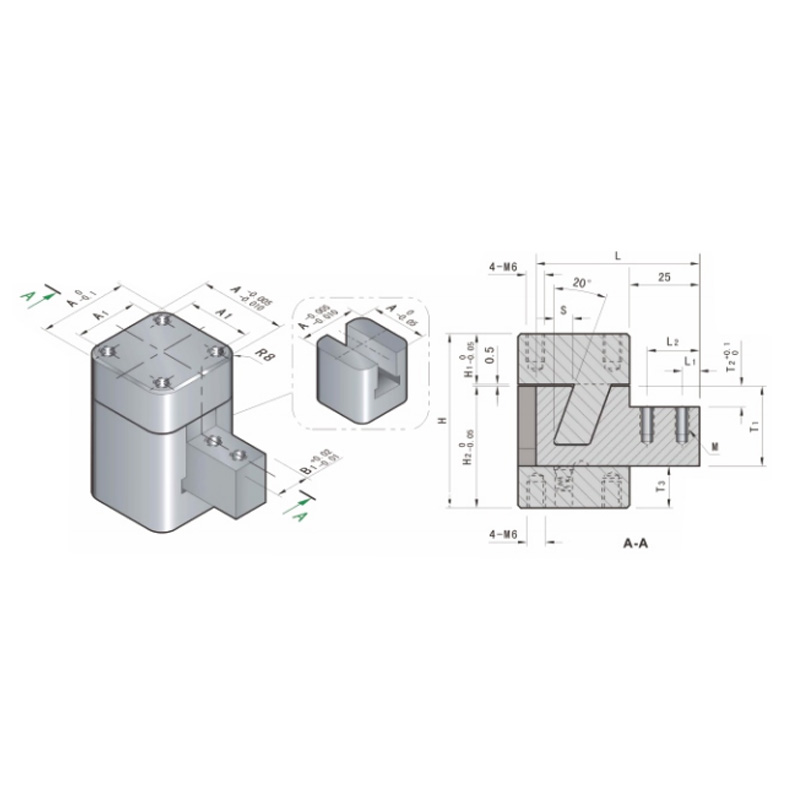
A slide core mold contains moving sections that allow a molded part with side features to be released without forcing the finished part away from the mold. Because the core moves as part of the molding process, its condition can affect the behavior of the whole slider mechanism.
When a slider becomes difficult to move, checking only the exposed slider surface may leave the actual cause unnoticed. The side core, guide area, contact points, and return section all have a relationship with the movement path. A small change in one area can create resistance somewhere else.
For example, a side core may collect residue around a connection or sliding section. Continued movement can spread the residue across nearby surfaces, gradually changing the way parts contact each other. A worn contact area can create a similar effect, especially when movement is no longer evenly supported.
Complex mold structures also require more attention during maintenance because several moving parts may work together. A slider that appears to be stuck may actually be responding to resistance elsewhere in the assembly.
A useful inspection should therefore consider:
- Slider condition
- Side core movement
- Guide surfaces
- Contact areas
- Return position
- Possible interference with nearby components
Looking at the complete structure helps separate a slider problem from a problem caused by its surrounding mold components.
How Can Operators Check a Jammed Slider Mechanism
When a slider mechanism in injection molding becomes difficult to move, a step‑by‑step inspection can make the cause easier to locate. Random adjustments may change several conditions at once, making later diagnosis harder.
Start With the Movement
Observe when resistance appears.
Does the slider become tight during opening, closing, or return? Does it resist through the whole movement or only at one location? A consistent resistance usually calls for a different inspection from a problem that appears only at one section.
Manual movement can also help reveal changes in resistance, provided the mechanism can be moved safely without forcing it.
Check for Foreign Matter
Look around the sliding areas for plastic residue, dust, metal particles, or other material. Pay attention to corners and recessed sections where debris may remain hidden.
Removing visible contamination and then checking movement again can show whether the obstruction was contributing to the problem.
Inspect Lubrication
A dry contact surface may produce increased friction, while contaminated lubricant can also interfere with smooth movement.
Rather than simply adding more lubricant, inspect the existing surface first. Cleaning may be needed before fresh lubricant is applied.
Check the Fit
Look for signs that contact has become unusually tight or loose. Movement that becomes difficult at one particular location may indicate uneven contact.
Loose movement can also matter because unwanted play may cause the slider to move away from its intended path.
Inspect Wear
Look for scratches, grooves, unusual polished areas, or uneven contact marks. Such signs can indicate that the surfaces have not been moving as intended.
Wear should be considered alongside movement behavior rather than judged from one mark alone.
Review Mold Adjustment
When cleaning and lubrication do not resolve the issue, check the mold position and adjustment condition. A slider that was correctly aligned before maintenance may behave differently after installation or adjustment.
The complete path should be checked again after any change.
How Can Slider Problems Be Reduced During Mold Maintenance
Preventive maintenance for a slider mechanism does not need to involve complicated procedures. Consistent inspection can help identify changes before movement becomes difficult enough to interrupt production.
Cleaning is one basic part of the process. Sliding surfaces should remain free from material residue and unnecessary particles. A clean surface also makes it easier to identify wear, scratches, and changes in contact.
Lubrication should follow the requirements of the moving mechanism rather than being applied without inspection. Too little lubrication can increase friction, while contaminated lubricant can hold particles against the sliding surface.
Maintenance can include several routine checks:
- Move the slider through its normal path
- Check whether resistance feels even
- Remove visible contamination
- Inspect contact surfaces for unusual marks
- Check the return position
- Review the condition after mold reassembly
Repeated inspection is useful because changes in movement may appear gradually. A slider that still functions can already show signs that cleaning, lubrication, or adjustment needs attention.
Another useful habit is to check the mechanism after mold maintenance rather than assuming that correct reassembly guarantees normal movement. Small changes in position can affect how the slider contacts nearby parts.
What Should Be Checked Before Running a Slide Core Mold
Before a slide core mold returns to normal production, the moving structure should be checked as a complete system. The goal is to confirm that the slider can follow its intended path without unusual resistance or interference.
Several points deserve attention:
- Slider Movement
Move the mechanism carefully and check for uneven resistance. - Lubrication Condition
Confirm that sliding areas have suitable lubrication and are free from contaminated residue. - Surface Cleanliness
Remove plastic particles, dust, metal fragments, and other unwanted material. - Fit and Contact
Check for unusual tightness, excessive play, or uneven contact. - Core Position
Make sure the side core sits in its intended position before the mold closes. - Return Action
Confirm that the slider can return fully rather than stopping short of its normal position. - Mold Clearance
Observe nearby components during movement to make sure no unwanted contact occurs.
A short inspection after maintenance can prevent an adjustment problem from being carried directly into production. When resistance remains after basic cleaning and lubrication, continued operation may create additional wear, so the underlying cause should be located before normal production continues.
How Do Different Causes Connect With Each Other
Slider jamming rarely needs to be viewed as a single isolated condition. One problem can create another during repeated mold operation.
For example, insufficient lubrication may increase friction, which can gradually affect the contact surface. Foreign particles may become trapped in lubricant and create rough movement. Wear can change the original fit, while an adjustment issue can produce uneven contact that accelerates surface wear.
The relationship can be viewed in a simple sequence:
Contamination → Increased Friction → Surface Wear → Changed Fit → Greater Resistance
The sequence does not occur in every case, yet it shows why replacing or adjusting one part without checking the surrounding conditions may not resolve recurring resistance.
A slider mechanism in injection molding depends on several conditions working together. Lubrication supports movement, clean surfaces reduce unwanted interference, suitable fit keeps the mechanism on its intended path, and proper mold adjustment helps maintain the relationship between moving components.
For a slide core mold, checking the complete movement path is therefore more useful than focusing only on the point where the slider appears to stop. Careful observation, cleaning, lubrication, wear inspection, and adjustment can each provide a clue when movement becomes difficult.

CONTACT
Get in touch
Related recommendations
Zhanmeng Mould Parts Co, Ltd. is a professional manufacturer specializing in the production, sales, and design of precision mold parts.
Contact Information
Cell phone: +86-13018824444 /
+86-18658685895
Cell phone: Machine Tools Ms. Shi:+86-13968153627
Landline: +86-576-84335476
Fax: +86-576-84330857
Email: [email protected]
Add: 23 Qingfeng Avenue, Beicheng Development Zone, Huangyan District, Taizhou, Zhejiang, China.
Mobile Site
Copyright © Zhanmeng Mould Parts Co., Ltd. Rights Reserved.
Mold Accessories Manufacturer
