
Email: [email protected]
 English
 русский
 Deutsch
 Español
Author: Admin
Date: Aug 28, 2026
Why Does Double Bolt Angular Pins Retainer Matter in Mold Care
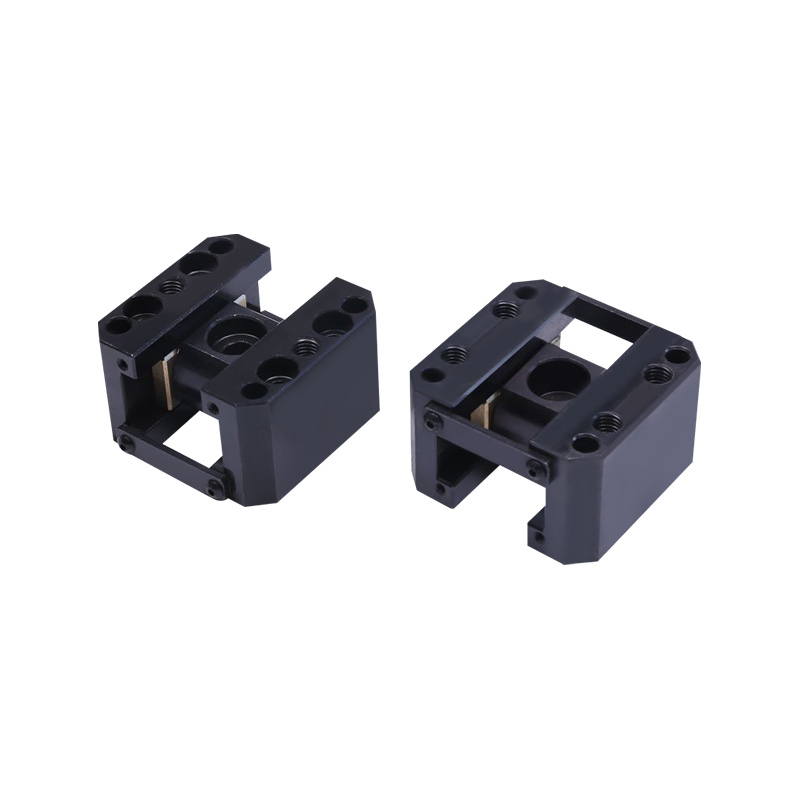
Small components inside a mold can be easy to overlook during routine maintenance. A retainer fitted around an angular pin may occupy only a small part of the mold assembly, yet its position is closely related to the movement of a sliding section. During mold opening and closing, an angular pin guides the slide through its inclined path, while the retainer helps keep the related part in a suitable position during movement.
Long-term mold use places repeated mechanical demands on such connections. Fastening points can become loose, contact surfaces can wear, and dirt or lubricant residue can collect around the mounting area. A small change may not stop operation immediately, although movement can gradually become less consistent.
For that reason, attention to a Double Bolt Angular Pins Retainer is not simply a matter of checking whether two bolts are still present. Position, contact, surface condition, surrounding components, and movement all deserve consideration during maintenance.
Why Does Angular Pin Retention Matter in Mold Operation
An angular pin normally works with a sliding mold section. As the mold opens, movement along the inclined pin can move the slide away from its molding position. When the mold closes, engagement between the pin and the slide guides the component back toward its working position.
During part of the opening movement, the angular pin may no longer remain engaged with the slide. At that stage, keeping the slide in a suitable position becomes important. A retainer helps prevent unwanted movement while the mold is open, allowing the slide to remain ready for the next closing movement.
A loose or poorly positioned retainer can therefore affect more than its own mounting area. The slide may shift from its intended position, making later engagement with the angular pin less smooth. Repeated movement under an unsuitable condition can also place additional wear on nearby surfaces.
Proper retention does not mean forcing the moving section into place. A slide needs to remain secure when required while still being released as the mold closes and the angular pin engages again. Maintaining that balance is part of keeping the moving assembly in proper working condition.
What Role Does the Double Bolt Structure Play
A double bolt arrangement uses two fastening points to hold the retainer against its mounting surface. Such an arrangement can provide a more evenly supported connection than relying on a single fastening point, especially when the component is exposed to repeated movement.
The bolts alone, however, do not determine whether the assembly remains stable. Mounting surface condition, bolt seating, alignment, surrounding clearance, and the condition of the angular pin all influence how the connection behaves.
During maintenance, several details are worth checking:
- Whether both fastening points remain properly seated
- Whether the retainer sits evenly against its mounting surface
- Whether dirt or residue has collected underneath the component
- Whether the mounting area shows scratches or unusual wear
- Whether movement around the angular pin appears different from normal operation
A mounting surface that is dirty or damaged may prevent the retainer from sitting as intended. Tightening the bolts without cleaning the contact area may hide the actual cause rather than correcting it.
How Can Long Term Mold Use Affect the Retainer
Repeated mold movement gradually exposes mechanical parts to friction, vibration, contact, and small positional changes. A retainer may remain visually intact while its mounting condition slowly changes.
Wear can occur around areas where the angular pin and slide interact. Fastening points may also require inspection after prolonged operation, especially when unusual movement has been noticed. Dust and lubricant residue can add another layer of difficulty by covering small marks that would otherwise be easy to see.
Long-term care is easier when changes are noticed early. A maintenance check can focus on the condition of the retainer as well as the nearby slide and angular pin.
| Inspection Area | What to Look For | Possible Maintenance Response |
|---|---|---|
| Retainer surface | Scratches, wear, cracks, or deformation | Clean and inspect the affected area |
| Bolt position | Looseness or uneven seating | Check fastening condition |
| Mounting surface | Dirt, residue, or visible damage | Clean before further inspection |
| Angular pin area | Unusual wear or contact marks | Inspect related moving parts |
| Slide movement | Change in position or movement feel | Check alignment and surrounding components |
A useful maintenance habit is to compare the current condition with the normal appearance and movement of the mold. Familiarity with the assembly makes subtle changes easier to notice.
Which Signs May Indicate a Retainer Needs Attention
Visible damage is one obvious warning sign, although movement can reveal problems earlier. A slide that no longer settles into its usual position, unusual resistance during opening or closing, or new contact marks around the pin area may justify closer inspection.
Loose fastening is another condition worth checking. A retainer that shifts slightly under repeated movement can change the relationship between the angular pin and the slide. Continued operation may then increase wear around connected surfaces.
Inspection should also cover less obvious areas:
- Mounting holes
- Bolt seats
- Contact edges
- Areas around the angular pin
- Surfaces hidden by accumulated residue
Noise can provide another useful clue during maintenance. A new sound does not automatically indicate retainer damage, although it can be a reason to stop and inspect the moving assembly rather than allowing the condition to continue unnoticed.
A change in slide movement can have several causes, so replacing the retainer immediately is not always the right response. Checking the surrounding components can help identify whether the problem comes from fastening, alignment, surface wear, contamination, or another part of the mechanism.
How Does Retainer Position Affect Angular Pin Movement
Position has a direct connection with how an angular pin and slide work together. During mold opening, the pin moves away from the slide, while the slide needs to remain in a controlled position until the next closing movement. A retainer helps hold the slide during that part of the operation.
A small change in mounting position can affect the relationship between the retainer and the moving parts. Misalignment may create uneven contact, while an unsuitable position can cause the pin to meet the retainer in an unwanted area. Installation guidance for slide retainers also stresses the need for suitable clearance and freedom of movement around the retainer.
During maintenance, checking position should therefore go beyond looking at the retainer itself. The connected slide and angular pin need to be viewed as part of the same moving arrangement.
Signs worth checking include:
- Contact marks appearing on one side
- A slide that does not settle into its usual position
- Uneven wear around the pin
- Changes in movement during mold opening or closing
- A retainer that appears shifted from its normal position
When a wear mark appears repeatedly in one area, simply cleaning the surface may not address the cause. Alignment, fastening, clearance, and movement should be checked together.
Why Does Fastening Condition Matter During Maintenance
A retainer depends on a stable connection with its mounting surface. Loose bolts can allow small movement, while dirt underneath the retainer can prevent proper seating. Repeated mold movement can gradually make a small fastening problem easier to notice.
Maintenance work should start with a clean inspection area. Removing residue makes it easier to see whether the bolt heads are seated properly and whether the retainer is sitting evenly against the mold.
For a double-bolt arrangement, both fastening points should be checked rather than focusing on one side. Uneven tightening can leave one area more heavily loaded than another, especially when the mounting surface is not clean or flat.
Avoid treating tightening as the only solution. When looseness returns after adjustment, the surrounding condition deserves attention. Worn threads, surface damage, vibration, or movement in a connected component may be contributing to the problem.
How Can Regular Inspection Help Reduce Mold Problems
Routine inspection gives maintenance teams a chance to notice small changes before they affect connected components. A retainer can be checked during normal mold servicing without making the process unnecessarily complicated.
A useful inspection usually combines visual checks with movement checks. Looking at the component while the mold is stationary can reveal scratches, cracks, residue, or fastening changes. Checking the related slide can provide additional information about alignment and movement.
Lubrication also deserves care around moving mold components. Too little lubrication may increase friction, while excessive lubricant can collect dirt and create residue around moving surfaces. Suitable lubrication practices should follow the requirements of the mold and the component rather than applying the same method everywhere.
A simple maintenance note can record:
- Condition of the retainer
- Condition of fastening points
- Visible wear around the angular pin
- Slide movement
- Cleaning or lubrication work carried out
- Any unusual change noticed during operation
Over time, such observations can make recurring problems easier to identify. A retainer that repeatedly develops wear in the same location may be showing a symptom of a larger alignment or movement issue.
What Factors Should Be Considered When Replacing a Retainer
Replacement should begin with the existing mold structure rather than the appearance of a replacement part. Mounting position, fastening arrangement, clearance, angular pin position, and available space all influence whether a retainer is suitable for a particular assembly.
A component that looks similar may not fit the existing arrangement correctly. Changes in position can affect how the slide is held during mold opening and how the angular pin engages during closing.
Before replacement, inspect the surrounding parts as well. A worn angular pin or damaged mounting surface can continue causing problems after a new retainer has been installed.
A replacement check can include:
- Inspect the existing mounting area.
- Check the condition of the angular pin and slide.
- Compare the fastening arrangement.
- Confirm that the retainer can move or hold as required by the mold design.
- Check for interference with nearby parts.
- Test movement after installation.
Proper fitting matters because the retainer is part of a moving assembly rather than an isolated fastener. Installation guidance for slide retainers also notes that the mounting surface should allow the retainer to function freely and that surrounding clearances need to be maintained.
How Does Proper Cleaning Support Long Term Use
Residue around a retainer can come from lubricant, dust, mold material, or general handling. A thin layer may seem harmless, although buildup can hide wear marks and make movement harder to assess.
Cleaning should focus on the retainer, mounting surface, nearby pin area, and accessible parts of the slide. After cleaning, surfaces should be checked again rather than immediately covered with a heavy layer of lubricant.
Lubrication needs a balanced approach. Moving metal surfaces generally require suitable lubrication, while excess material can attract debris and interfere with clean movement. Guidance for mold maintenance also warns that incorrect lubrication can contribute to problems around moving components.
Care should be taken during cleaning so that tools do not scratch important contact surfaces. A clean surface makes inspection easier and can also reveal whether an apparent movement problem comes from contamination or from actual wear.
How Can Double Bolt Angular Pins Retainer Support Mold Maintenance
A Double Bolt Angular Pins Retainer is closely connected with the condition of the slide and angular pin. Its role is not simply to hold a component against the mold. Stable retention helps keep the slide in a controlled position during the part of mold movement when the angular pin is not guiding it.
A double fastening arrangement also gives maintenance staff two visible fastening points to inspect. When both sides remain properly seated and the mounting surface is clean, changes in position can be easier to identify during routine checks.
Long-term mold care works better when small components are considered together with the mechanisms around them. A retainer, angular pin, slide, mounting surface, and lubrication condition can influence one another. A problem noticed at one point may therefore deserve inspection of the connected parts rather than an immediate focus on replacement.
What Common Mistakes Can Affect Retainer Performance
Several maintenance habits can create avoidable problems. One is ignoring slight looseness because the mold continues to operate. Small movement can become more noticeable during repeated operation, particularly when the connected slide is moving under changing contact conditions.
Another issue is installing a replacement without checking the mounting area. Dirt, burrs, surface damage, or an unsuitable position can prevent proper seating.
Other mistakes include:
- Tightening bolts without checking the mounting surface
- Applying excessive lubricant around moving areas
- Ignoring unusual contact marks
- Cleaning away rust or residue without checking the underlying surface
- Replacing a retainer while overlooking wear on the angular pin
- Continuing operation after noticeable changes in slide movement
A slide that fails to return to its intended position can place connected mold parts at risk during closing, especially when misalignment or increased friction is already present.
How Should Mold Teams Approach Long Term Retainer Care
Long-term care does not need to become a separate and complicated task. Retainer inspection can form part of normal mold maintenance, with attention placed on fastening, cleanliness, movement, alignment, and visible wear.
A practical approach is to inspect the component whenever nearby slide parts are serviced. Checking the retainer alone may miss a worn pin or damaged mounting surface that is creating the problem.
Keeping maintenance observations consistent can also help. When a change appears, recording where it occurred and checking related components can make the cause easier to trace during later servicing.
For molds with repeated sliding movement, small changes deserve attention. A loose fastening point, unusual wear mark, or altered slide position may appear minor at the beginning, while continued operation can place additional stress on connected parts. Regular inspection provides an opportunity to deal with such changes while the condition is still easier to assess.

CONTACT
Get in touch
Related recommendations
Zhanmeng Mould Parts Co, Ltd. is a professional manufacturer specializing in the production, sales, and design of precision mold parts.
Contact Information
Cell phone: +86-13018824444 /
+86-18658685895
Cell phone: Machine Tools Ms. Shi:+86-13968153627
Landline: +86-576-84335476
Fax: +86-576-84330857
Email: [email protected]
Add: 23 Qingfeng Avenue, Beicheng Development Zone, Huangyan District, Taizhou, Zhejiang, China.
Mobile Site
Copyright © Zhanmeng Mould Parts Co., Ltd. Rights Reserved.
Mold Accessories Manufacturer
