
Email: [email protected]
 English
 русский
 Deutsch
 Español
Author: Admin
Date: Sep 04, 2026
What Challenges Possible Appear In Ejector Mold Alignment During Production
Alignment plays a quiet role in mold production. When two sides come together, each related part needs to reach the intended position before production can continue smoothly. A small shift may not be obvious during an initial inspection, yet repeated opening, closing, and ejecting can make the effect easier to notice.
An Ejector mold contains several parts that work around a shared movement path. Correct positioning allows the mold to close without unnecessary contact while giving moving components enough room to operate. When alignment changes, several areas may be affected at the same time.
Common concerns include:
- Uneven contact during closing
- Resistance during movement
- Changes in part positioning
- Difficulty during product release
- Unusual marks around contact areas
Alignment also matters during assembly. Parts that appear to fit at rest may behave differently once movement begins. For that reason, checking only the closed position does not always provide enough information.
A practical inspection looks at the complete operating process, from opening and closing to ejecting and returning the moving parts. Such an approach can reveal problems that remain hidden during a simple visual check.
What Can Cause Alignment Problems During Assembly
Assembly conditions can influence alignment long before production begins. A positioning part may be installed slightly away from its intended location, or a mounting surface may contain dirt that prevents two parts from sitting correctly.
Small differences can come from several sources. Parts may be placed in the wrong direction, mounting holes may not match their intended positions, or a fixing point may move while the assembly is being completed.
Surface condition also deserves attention. Dust, metal particles, or small pieces of material trapped between contact areas can create a slight gap. Once the mold closes, pressure may be concentrated around one area instead of being distributed as intended.
Another concern comes from damaged edges. A small dent or scratch around a contact area can change how two parts meet. Repeated operation may gradually make the contact pattern more noticeable.
Before production, useful checks include:
- Confirming the position of each related part
- Cleaning contact surfaces
- Checking mounting points
- Looking for visible damage
- Moving related parts by hand where appropriate
Good assembly is therefore more than putting parts together. Each component needs to sit in a position that supports the movement required during production.
How Do Positioning Parts Help Keep the Mold Aligned
Positioning parts help guide two sides into the intended relationship as the mold closes. Their role is especially important where repeated movement requires the same general position during each cycle.
Mold Alignment Pins work together with corresponding openings or surfaces. During closing, the positioning structure guides the two sides toward one another, helping reduce unwanted sideways movement. Proper fit matters because excessive looseness can allow movement, while an unsuitable fit may make closing difficult.
Installation direction also needs attention. A positioning component that is not seated correctly may create problems even when its size appears suitable. Contact surfaces should remain clean, and mounting areas should be checked for damage before assembly.
Wear can gradually change the relationship between a pin and its matching area. Repeated movement may create additional space around the contact area, allowing slight movement that was not present during earlier operation.
For an Ejector mold, positioning also needs to work with the moving ejector structure. Enough clearance should remain around parts that travel during product release, preventing one movement path from interfering with another.
What Problems Can Misalignment Create During Production
Misalignment can appear in several ways, depending on where the shift occurs. A mold may become harder to close, or a moving part may show resistance while returning to its normal position. Product release can also become less consistent when related components no longer move along the intended path.
Contact marks can provide useful clues. Uneven marks may suggest that one area is receiving more contact than another. Scratches, worn edges, or changes around mounting points can also indicate that a part is no longer sitting in its expected position.
Production behavior may change gradually rather than suddenly. A small alignment issue can remain manageable for a period, then become more noticeable as repeated movement affects the contact surfaces.
Several signs deserve attention:
- Closing movement feels different
- Ejector movement becomes uneven
- Contact marks appear in unusual locations
- A moving part returns less smoothly
- Product release requires additional attention
A single sign does not always identify the exact cause. Inspection needs to consider related parts rather than treating every movement problem as a separate issue.
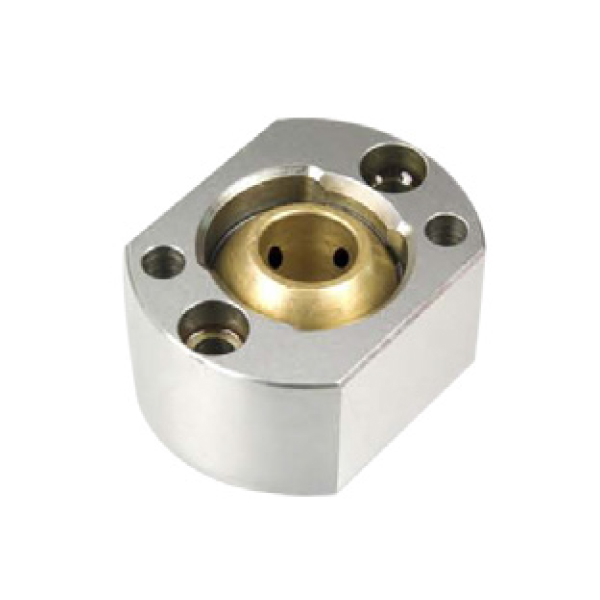
How Can Ejector Movement Affect Overall Alignment
Ejector movement introduces another point that needs attention during production. After molding, moving components push the finished part away from the mold area before returning to their original positions. Every movement needs enough space and a stable relationship with nearby parts.
A shift in the ejector structure can create contact with surrounding components. Resistance may appear during forward movement, while returning movement may become less even. Such changes can also place additional pressure on areas that were not intended to carry repeated contact.
Alignment should therefore be checked while the ejector structure is moving, not only when everything is stationary. Watching the full path can reveal whether a component approaches another part too closely or changes position during travel.
Useful points to observe include:
- Movement along the full path
- Clearance around moving parts
- Contact between related surfaces
- Return to the original position
- Changes in movement after repeated operation
A stable relationship between fixed and moving parts supports smoother operation. When alignment is considered together with ejector movement, small problems can be identified before they develop into wider assembly or production concerns.
How Can Repeated Use Change the Fit Between Parts
Repeated mold movement can gradually change how related parts fit together. Opening, closing, and ejecting create regular contact between certain surfaces, while small amounts of friction may slowly affect their condition. A change may not be obvious during a single production cycle, yet repeated operation can make the difference easier to notice.
Positioning parts deserve regular attention because their condition influences how two mold sides meet. Wear around a contact area may create additional movement, allowing one side to shift slightly before reaching its intended position.
Changes can also appear around mounting areas. A fixing point that has moved or become less stable may affect nearby components, even when the positioning parts themselves appear intact.
Signs worth checking include:
- New marks around contact areas
- Changes in closing movement
- More noticeable movement between related parts
- Uneven return of moving components
- Visible wear around mounting locations
Inspection should consider how parts behave during operation rather than relying only on their appearance. A clean surface may still have a fit problem, while a visible mark may simply come from normal contact. Looking at the position, movement, and surface condition together provides a clearer picture.
Why Do Mold Surfaces And Installation Conditions Matter
Contact surfaces form the physical connection between many mold components. Their condition can influence how parts sit together during assembly and how they behave once movement begins.
Dust, small particles, or leftover material can prevent two surfaces from meeting properly. Even a thin layer of unwanted material may create a small change in position. During repeated closing, pressure can then be concentrated around a smaller area.
Installation can create another source of difficulty. A part may appear secure while its actual position differs slightly from the intended location. Tightening a fixing point without checking surrounding alignment may also move one component relative to another.
Surface damage deserves similar attention. A dent near a mounting area can change the contact position, while a scratch along a moving surface may create additional friction.
A simple preparation routine can help:
- Clean related surfaces before assembly.
- Check mounting areas for visible damage.
- Confirm that parts sit in their intended positions.
- Move relevant components to check for unusual resistance.
- Inspect contact marks after initial operation.
Good installation conditions give alignment parts a stable foundation. Without proper surface preparation, later adjustments may not address the actual source of the problem.
What Should Be Checked Before Production Starts
A pre‑production check should cover both fixed and moving components. Looking at one part in isolation can miss a problem that only appears when several parts work together.
Mold Alignment Pins should be checked for position, condition, and proper fit with their corresponding areas. Attention should also be given to the ejector structure, mounting points, and surfaces that come into contact during closing.
| Check Area | Possible Concern | What To Review |
|---|---|---|
| Positioning Parts | Position shift | Fit and placement |
| Ejector Parts | Uneven movement | Movement and clearance |
| Mold Surfaces | Unusual contact | Surface condition |
| Mounting Areas | Installation change | Fixing position |
| Moving Parts | Possible interference | Full movement path |
Opening and closing the mold provides one part of the inspection. Ejector movement should also be observed because a mold can appear properly aligned while stationary yet behave differently during movement.
Contact marks can provide useful information after a test operation. A new mark does not automatically mean there is a serious problem, although an unusual pattern deserves closer inspection, especially when paired with resistance or uneven movement.
Checking several related areas at the same time can reduce unnecessary adjustments and make it easier to identify where a change began.
What Should Be Checked When Alignment Problems Appear
Once an alignment issue is noticed, identifying the stage where it occurs can narrow the possible causes. A problem during closing may have a different source from one that appears only during ejection.
Start with the basic position of related components. Check whether mounting points have shifted, whether positioning parts remain properly seated, and whether contact surfaces are clean.
Next, observe movement. A part that moves smoothly at the beginning and becomes restricted later may have an issue along its travel path. A component that feels uneven from the start may need closer attention around its mounting or guiding area.
Avoid correcting a single component without checking its relationship with nearby parts. Moving one part can change another position, leaving the original cause untouched.
A practical inspection sequence can include:
- Identify when the unusual movement begins
- Check fixed mounting positions
- Inspect positioning parts and matching areas
- Examine contact surfaces
- Check ejector movement
- Repeat the movement test after inspection
Careful observation can make troubleshooting more manageable. Rather than treating alignment as a single fixed measurement, it is useful to consider how the complete assembly behaves through each stage of operation.
How Can Alignment Stay Stable During Regular Production
Stable alignment depends on several connected stages, starting with part design and continuing through processing, assembly, and regular operation. A suitable relationship between fixed and moving components gives the mold a clear movement path from closing through ejection and return.
During assembly, positioning parts should be seated correctly, mounting areas should remain clean, and contact surfaces should be checked before production begins. Moving components also need enough clearance to complete their intended travel without unnecessary contact.
Regular observation can help reveal gradual changes. Unusual friction, new contact marks, altered closing movement, or changes in ejector return may indicate that an alignment check is needed.
For an Ejector mold, alignment is closely connected with the full production movement rather than a single position. Closing, product release, opening, and return all place different demands on the assembly.
A useful maintenance routine can focus on:
- Position of fixed components
- Condition of contact surfaces
- Movement of ejector parts
- Fit around positioning areas
- Changes in sound or movement during operation
When a small shift appears, checking related components early can prevent the problem from spreading to other areas. Alignment work is therefore less about making constant adjustments and more about keeping the complete mold assembly in a stable working relationship.
The role of positioning parts, surface condition, installation quality, and ejector movement all connect within the same process. Proper attention across each stage can help keep production movement consistent while reducing unnecessary contact and wear.

CONTACT
Get in touch
Related recommendations
Zhanmeng Mould Parts Co, Ltd. is a professional manufacturer specializing in the production, sales, and design of precision mold parts.
Contact Information
Cell phone: +86-13018824444 /
+86-18658685895
Cell phone: Machine Tools Ms. Shi:+86-13968153627
Landline: +86-576-84335476
Fax: +86-576-84330857
Email: [email protected]
Add: 23 Qingfeng Avenue, Beicheng Development Zone, Huangyan District, Taizhou, Zhejiang, China.
Mobile Site
Copyright © Zhanmeng Mould Parts Co., Ltd. Rights Reserved.
Mold Accessories Manufacturer
