
Email: [email protected]
 English
 русский
 Deutsch
 Español
Author: Admin
Date: Dec 05, 2025
The Importance of Precision Positioning Blocks in Manufacturing
What is a Precision Positioning Block?
A precision positioning block is a critical component used in various manufacturing and assembly processes to achieve accurate alignment and positioning. These blocks are designed to support and hold workpieces in a fixed position while other operations, such as machining, welding, or measuring, are performed. Precision positioning blocks are essential for ensuring that parts fit together correctly, particularly in industries that require high levels of precision and tolerance, such as aerospace, automotive, and electronics.
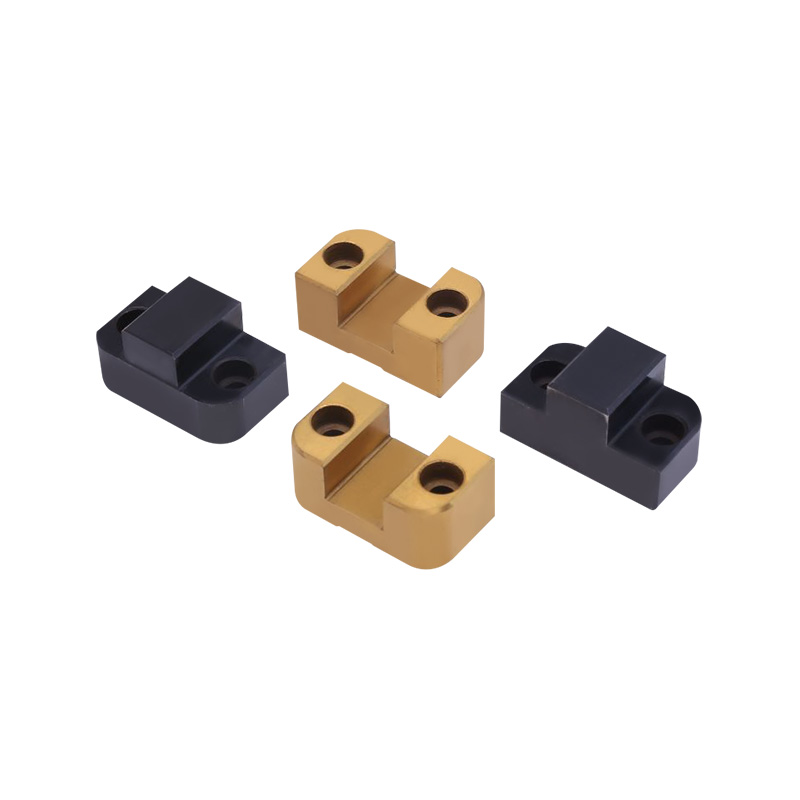
The Role of Precision Positioning Blocks in Manufacturing
Precision positioning blocks are primarily used to secure parts during machining or assembly processes. By providing a stable and accurate reference point, these blocks help prevent errors in measurements and alignments that can affect the final product. For example, when assembling complex mechanical systems, precision positioning blocks allow workers to align components with exact specifications, minimizing the risk of defects or misalignments. This is particularly crucial in industries like automotive manufacturing, where even minor errors can cause significant operational issues.
Materials Used in Precision Positioning Blocks
Precision positioning blocks are typically made from materials that offer both durability and stability, ensuring they can withstand high pressures and resist wear over time. Common materials include hardened steel, stainless steel, and precision-cast iron. These materials provide the strength needed to hold heavy workpieces in place while maintaining dimensional accuracy. Some positioning blocks are also treated with coatings or finishes to improve their resistance to corrosion and wear, ensuring a longer service life in demanding environments.
Benefits of Using Precision Positioning Blocks
Using precision positioning blocks offers several advantages in manufacturing:
Improved Accuracy: The primary benefit of precision positioning blocks is their ability to hold parts in the exact location required for accurate machining or assembly. This leads to higher-quality products with tight tolerances.
Increased Efficiency: By providing a reliable and consistent reference point, precision positioning blocks help streamline production processes, reducing the time needed for adjustments or rework.
Cost-Effectiveness: Precision positioning blocks reduce the risk of defects and errors, which can result in costly rework or waste. By ensuring the correct alignment of parts from the start, manufacturers can improve their overall efficiency and reduce production costs.
Versatility: These blocks can be used in a variety of applications across different industries, making them an essential tool in many manufacturing processes. They can be customized to fit specific production needs, offering flexibility for different types of workpieces.
Applications of Precision Positioning Blocks
Precision positioning blocks are used in a wide range of applications across various industries:
Machining: In machining processes such as milling, turning, or drilling, precision positioning blocks help align workpieces with high accuracy, ensuring the correct cuts and measurements are made.
Welding: During welding, positioning blocks hold parts in place, maintaining proper alignment and preventing distortion during the welding process.
Measuring and Inspection: Precision positioning blocks are also used in measurement setups, where they serve as a reference point for tools and instruments. They help ensure that parts meet required specifications and tolerances.
In the assembly of complex systems, precision positioning blocks provide stable support, allowing workers to align components accurately before fastening or connecting them.
Customization and Precision in Positioning Blocks
Many manufacturers offer customized precision positioning blocks to meet specific client needs. Customization allows for the creation of blocks tailored to particular shapes, sizes, or materials that suit the unique requirements of a project. This ensures that the positioning blocks provide good performance in specialized applications, whether for high-precision automotive parts or delicate electronics components. Custom-made positioning blocks also offer flexibility in design, allowing manufacturers to incorporate features like adjustable heights, magnetic bases, or quick-release mechanisms for easier setup and handling.

CONTACT
Get in touch
Related recommendations
Zhanmeng Mould Parts Co, Ltd. is a professional manufacturer specializing in the production, sales, and design of precision mold parts.
Contact Information
Cell phone: +86-13018824444 /
+86-18658685895
Cell phone: Machine Tools Ms. Shi:+86-13968153627
Landline: +86-576-84335476
Fax: +86-576-84330857
Email: [email protected]
Add: 23 Qingfeng Avenue, Beicheng Development Zone, Huangyan District, Taizhou, Zhejiang, China.
Mobile Site
Copyright © Zhanmeng Mould Parts Co., Ltd. Rights Reserved.
Mold Accessories Manufacturer
