
Email: [email protected]
 English
 русский
 Deutsch
 Español
Author: Admin
Date: Dec 12, 2025
Understanding Mold Pressing Strip in Manufacturing Processes
What is a Mold Pressing Strip?
A mold pressing strip is a crucial component used in the manufacturing of molded parts, often involved in metalworking and plastics processing. These strips are designed to assist in the molding process by applying consistent pressure and controlling the flow of material into molds. Mold pressing strips are widely used in industries such as automotive, construction, and electronics, where precision and reliability are essential for creating high-quality products.
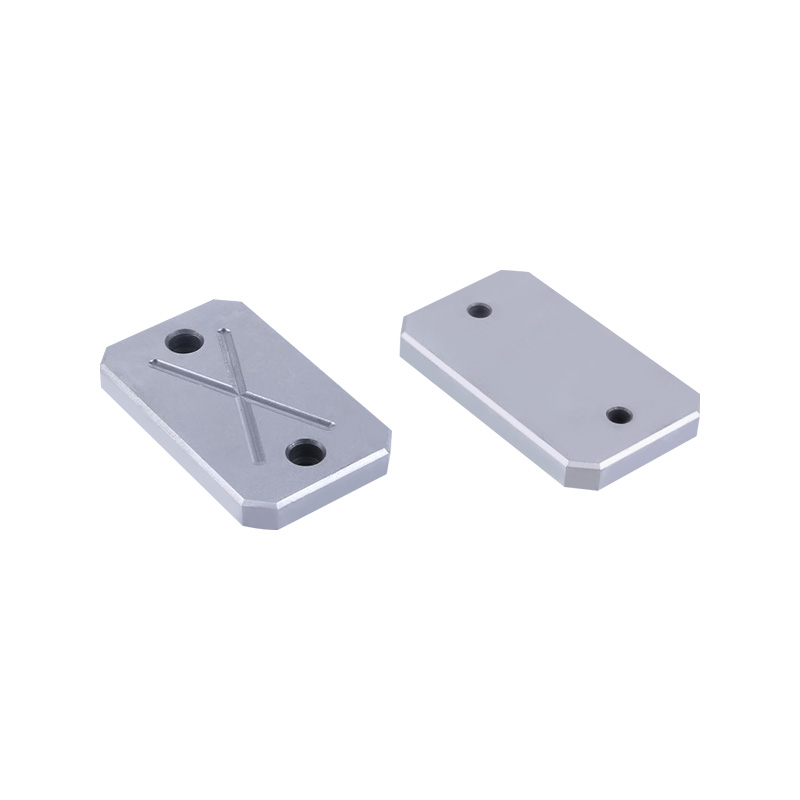
The Role of Mold Pressing Strip in Manufacturing
The primary function of a mold pressing strip is to facilitate the mold pressing process by evenly distributing pressure over the material being molded. This ensures that the mold cavity is completely filled and that the material sets evenly, reducing the chances of defects or inconsistencies. Whether working with metals or plastics, a mold pressing strip helps create parts that meet the required standards for both functionality and appearance. Without proper mold pressing, manufacturers may encounter issues such as poor surface finishes, warping, or incomplete filling of the mold.
Materials Used for Mold Pressing Strips
Mold pressing strips are made from materials that can withstand the significant pressures involved in the molding process. Common materials include steel, aluminum, and high-strength alloys. These materials are chosen for their durability, resistance to wear, and ability to retain their shape under high-pressure and temperature conditions. In addition, some mold pressing strips may feature special coatings to resist corrosion and extend their service life, particularly in industries where chemicals or high temperatures are present during manufacturing.
The Benefits of Mold Pressing Strips
There are several advantages to using mold pressing strips in manufacturing processes:
Improved Quality Control: By ensuring even pressure distribution, mold pressing strips contribute to the production of high-quality molded parts with fewer defects or inconsistencies.
Increased Efficiency: The use of a mold pressing strip can speed up the molding process by ensuring that the material flows smoothly into the mold, reducing cycle times and increasing overall production efficiency.
Reduced Wear on Equipment: Mold pressing strips help protect the mold and machinery from excessive wear by distributing pressure evenly, causing longer tool life and fewer maintenance requirements.
Customization: Mold pressing strips can be customized to suit different molds and materials, offering manufacturers flexibility for diverse production needs.
Applications of Mold Pressing Strips
Mold pressing strips find applications in various industries, particularly those that require precise molding processes. Some of the industries that rely on mold pressing strips include:
Automotive Industry: Mold pressing strips are used in the production of automotive components such as body panels, trim pieces, and engine parts. They ensure that these components meet the required structural and aesthetic standards.
Electronics: For the production of enclosures and components in electronic devices, mold pressing strips help achieve consistent thickness and surface quality, critical for both functional and cosmetic purposes.
Construction: In construction, mold pressing strips assist in creating components like metal profiles and structural elements used in building frameworks and facades.
Consumer Goods Manufacturing: Mold pressing strips are used to mold plastic products, packaging materials, and other consumer goods, providing both efficiency and precision in production.
Choosing the Right Mold Pressing Strip
Selecting the right mold pressing strip depends on several factors, including the material being molded, the size and complexity of the mold, and the specific demands of the project. Key considerations include:
Material Compatibility: The material of the mold pressing strip should be compatible with the material being molded to avoid contamination and ensure smooth operation.
Pressure Requirements: Different molding applications require varying levels of pressure. Choosing a strip with the right material strength and thickness is essential for effective pressure distribution.
Customization Needs: Depending on the complexity of the molding process, customized mold pressing strips may be necessary to meet specific design and performance requirements.
Durability: Since mold pressing strips are subject to significant wear, it is important to select a strip made from high-durability materials that can withstand the demands of continuous use.

CONTACT
Get in touch
Related recommendations
Zhanmeng Mould Parts Co, Ltd. is a professional manufacturer specializing in the production, sales, and design of precision mold parts.
Contact Information
Cell phone: +86-13018824444 /
+86-18658685895
Cell phone: Machine Tools Ms. Shi:+86-13968153627
Landline: +86-576-84335476
Fax: +86-576-84330857
Email: [email protected]
Add: 23 Qingfeng Avenue, Beicheng Development Zone, Huangyan District, Taizhou, Zhejiang, China.
Mobile Site
Copyright © Zhanmeng Mould Parts Co., Ltd. Rights Reserved.
Mold Accessories Manufacturer
