
Email: [email protected]
 English
 русский
 Deutsch
 Español
Author: Admin
Date: Dec 19, 2025
Understanding the Role and Function of Mould Ejectors in Manufacturing
What is a Mould Ejector?
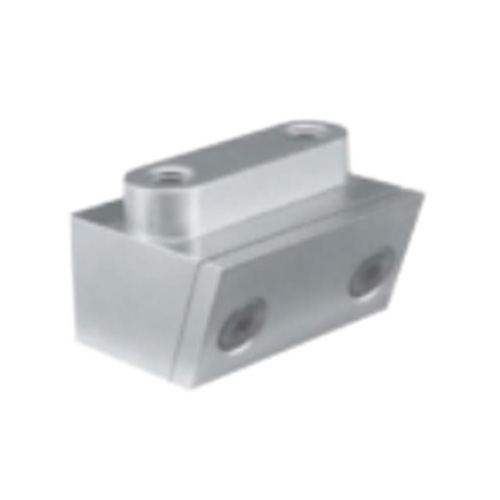
A mould ejector is an essential component in injection molding processes, designed to assist in the removal of molded parts from the mold cavity after the part has cooled and solidified. The ejector system consists of a set of pins or plates that apply force to push the finished part out of the mold. This process is crucial for maintaining the efficiency and speed of production, as it prevents damage to both the mold and the molded part during the ejection phase.
Importance of Mould Ejectors in the Molding Process
In injection molding, the molding cycle includes the cooling phase, where the material solidifies inside the mold cavity. Once this process is complete, the part must be ejected without causing damage. This is where the mould ejector plays a vital role. By utilizing controlled force, it removes the finished part from the mold cavity, ensuring that it does not get stuck or damaged during removal. A reliable ejector system helps maintain consistent part quality and reduces downtime in production, which is essential for industries requiring high-volume manufacturing.
Components of a Mould Ejector
A mould ejector consists of several key components that work together to ensure smooth operation:
Ejector Pins: These are the primary tools that apply force to push the part out of the mold. The number, size, and placement of ejector pins depend on the part design and material used.
Ejector Plate: This plate holds the ejector pins and acts as the interface for applying pressure to the molded part.
Return Pins: Return pins are used to retract the ejector plate after the part has been ejected, resetting the ejector system for the next cycle.
Springs or Hydraulic Systems: These elements provide the necessary force for ejecting the part. Springs are often used for smaller, lighter parts, while hydraulic systems are preferred for larger, heavier components.
Each of these components works in tandem to ensure that the ejection process is smooth and efficient, minimizing potential defects or damage.
Benefits of Using Mould Ejectors
Using a mould ejector system offers several significant benefits for manufacturers:
Improved Efficiency: Mould ejectors streamline the production process by automating the ejection of parts, reducing manual labor and cycle times.
Consistent Quality: By using precise force to eject parts, the system reduces the risk of defects such as warping, scratches, or breakage, resulting in consistent product quality.
Increased Production Speed: The automated ejection process speeds up production, allowing manufacturers to produce more parts in less time.
Reduced Downtime: A well-designed mould ejector reduces the chances of malfunctions or damage to the mold, minimizing downtime and maintenance costs.
Types of Mould Ejectors
There are various types of mould ejectors used in different industries, each designed to meet specific requirements:
Standard Ejectors: These are the good common type of mould ejector and are used for simple part designs with easy ejection requirements.
Hydraulic Ejectors: Used for larger or heavier parts that require more force to be ejected. Hydraulic systems provide a higher level of control and precision in the ejection process.
Pneumatic Ejectors: These ejectors use compressed air to eject parts. They are often used in high-speed molding processes, offering fast and reliable ejection.
Manual Ejectors: While less common in modern production, manual ejectors are sometimes used for small-scale or specialized manufacturing runs where automation is not necessary.
Choosing the right type of mould ejector depends on the size, complexity, and material of the part being produced.
Customization and Design Considerations for Mould Ejectors
Mould ejectors can be customized to suit specific production needs. Design considerations include the size and shape of the molded part, the type of material being molded, and the required speed of production. In some cases, manufacturers may opt for specialized ejector systems, such as multi-stage ejectors or temperature-controlled ejectors, to accommodate particularly challenging parts.
Factors like the placement of ejector pins, the force needed for removal, and the type of material used all influence the overall design and performance of the ejector system. Customization ensures that the ejector works efficiently within the constraints of the specific molding operation, optimizing production performance.

CONTACT
Get in touch
Related recommendations
Zhanmeng Mould Parts Co, Ltd. is a professional manufacturer specializing in the production, sales, and design of precision mold parts.
Contact Information
Cell phone: +86-13018824444 /
+86-18658685895
Cell phone: Machine Tools Ms. Shi:+86-13968153627
Landline: +86-576-84335476
Fax: +86-576-84330857
Email: [email protected]
Add: 23 Qingfeng Avenue, Beicheng Development Zone, Huangyan District, Taizhou, Zhejiang, China.
Mobile Site
Copyright © Zhanmeng Mould Parts Co., Ltd. Rights Reserved.
Mold Accessories Manufacturer
